The Battle for Sustainability
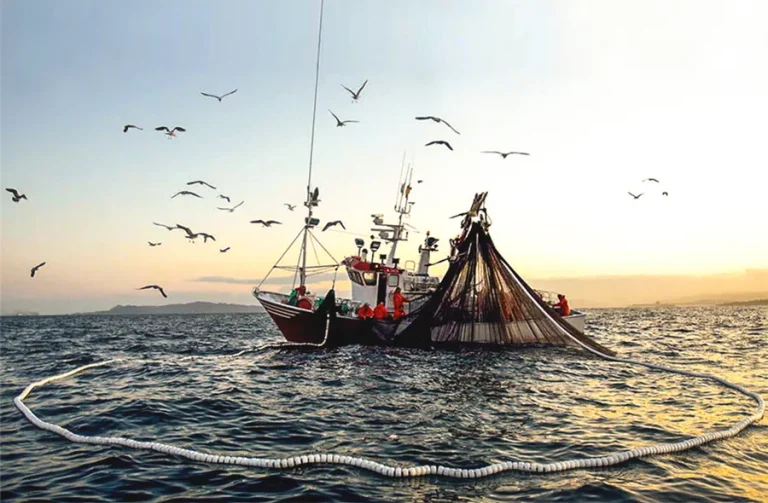
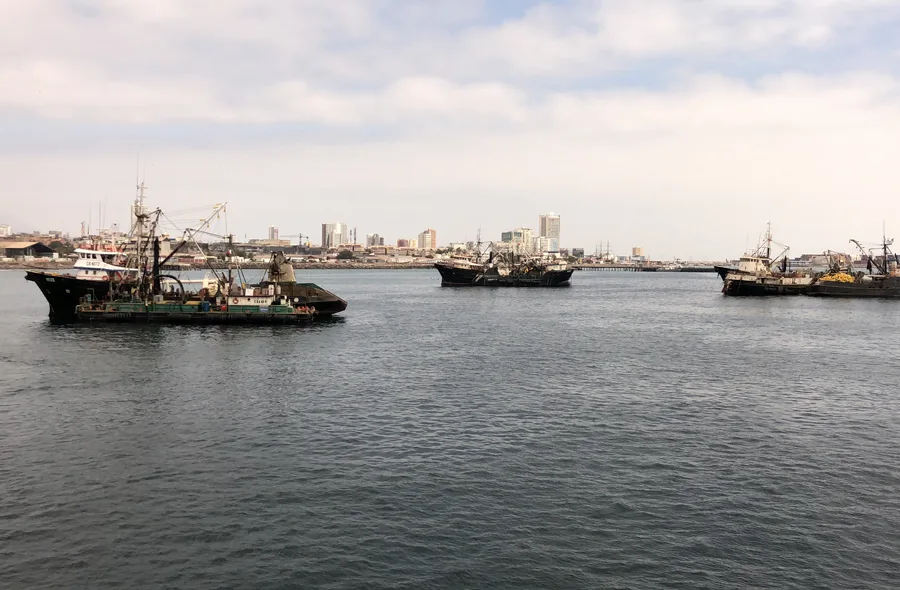
The city of Iquique, in northern Chile, on the coast of the arid Atacama Desert and close to the border with Peru, is the anchoveta fishing ground par excellence. Anchoveta is a pelagic species that forms large schools. It is mainly used to produce fishmeal and Omega 3 oils, but it has recently begun to be marketed for direct consumption.
During the 1990s and early 2000s, the anchoveta fishery in the South Pacific went into crisis due to climatic factors and a fishing policy that favored large volumes at the expense of sustainability.
The governments of Peru and Chile had to set quotas and undertake a serious rethink of their fisheries. The fleets were dramatically reduced, to the point that today they are practically a third of what they used to be.
This hard blow to the fishing industry left many people out of work and forced several companies to close, but at the same time it sowed among the survivors a growing and marked concern for sustainable fishing that could provide predictability and stability. This is not an empty slogan to comply with regulations: those who managed to stay afloat have the concept of sustainability ingrained, having learned it perhaps in the hardest way.
The reduction of the fleet and the establishment of allowable catch quotas per company contributed to stability and predictability, as well as to the conservation of the resource. However, this alone is not enough to guarantee that a fishery is sustainable.
The allowed catch must be managed efficiently, while ensuring that the species reproduces so that there is a fishable stock. To this end, it is essential to understand the behavior of the species and its breeding grounds and seasons, in order to avoid catching juveniles as much as possible. Here the CIAM (Centro de Investigaciones Aplicadas al Mar, the Center for Applied Marine Research), a research institution created and funded by the companies, plays an important role.
However, anchoveta behavior is changeable, and juveniles appear in different areas at the same time or move constantly. This leaves the final decision on the catch to the skipper or captain on board.
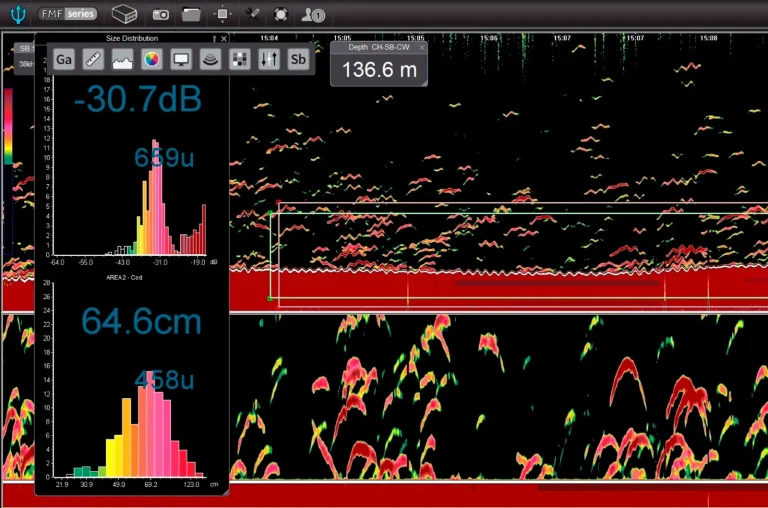
CORPESCA holds the largest anchoveta catch quota in Chile and is also one of the largest fishing corporations in the country. It is on the front line of the battle for sustainable fishing. The company’s purse seine fleet has had successful experiences in reducing the bycatch of juveniles. The adoption of SPLIT BEAM acoustic detection tools, together with better management policies and procedures, has brought juvenile catches down from 30% to around 1% of the total. The impact is remarkable.
Through our representative in Chile, SELMAR LTDA, our team was invited to present the SEAMAN DBF-4000 SPLIT BEAM echosounder to the Anchoveta Management Committee, which brings together shipowners, fishermen, unions and the Government.
The project promoted by CORPESCA aims to equip both its own fleet and the artisanal fleet with SPLIT BEAM acoustic equipment that can contribute to a smarter fishing effort.
The first step was to install a unit on the vessel CORPESCA 2, which was successfully tested during fishing operations. Work is now under way with CIAM so that the data from this equipment can be retrieved and processed for later use. It is at this point that the company and CIAM see the greatest advantages of our open-concept, highly configurable equipment.
In the battle for sustainability, acoustic technology makes the difference.