Zero Discards: The Perfect Storm
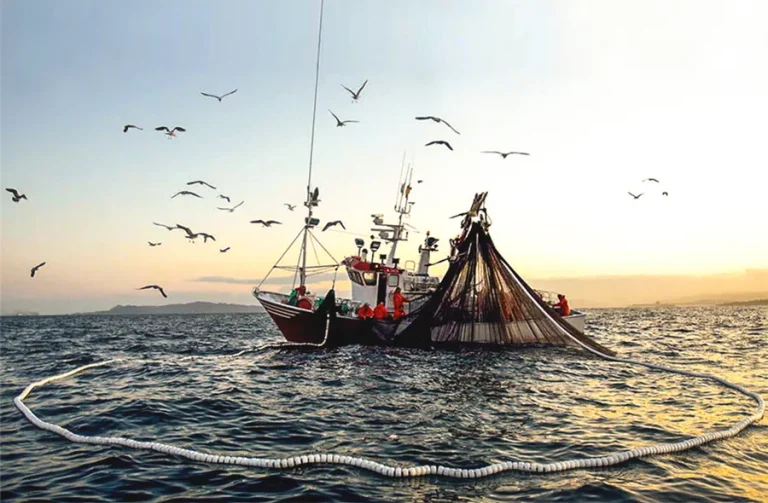
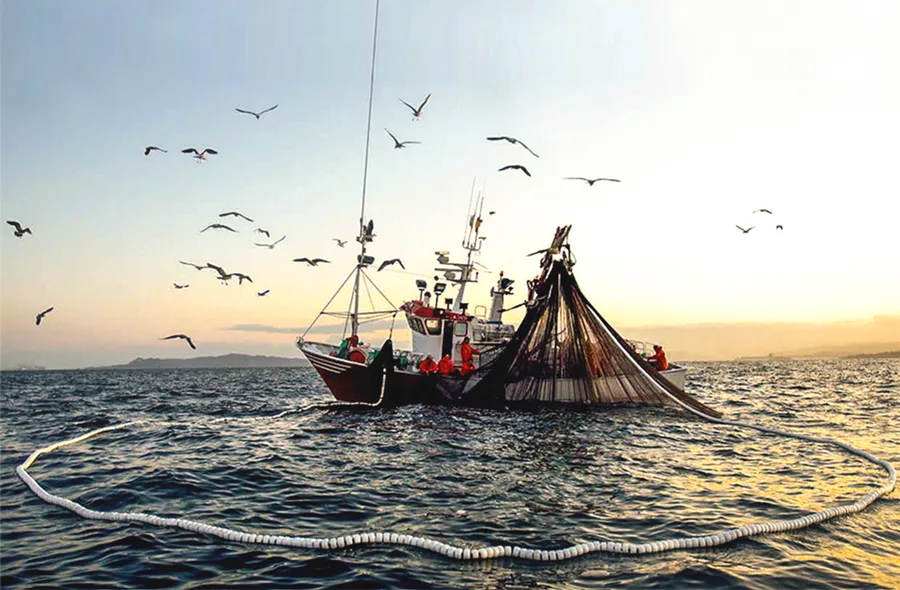
In its January 21, 2018 edition, the digital version of the newspaper “FARO DE VIGO” ran the headline “Eleven months to the perfect storm”. Anywhere else in the world but Vigo, Galicia, this might refer to the “remake” of a Hollywood release or to an extraordinary weather event. There, no explanation is needed: everyone knows it refers to the entry into force, from January 1, 2019, of the final phase of a policy agreed by the European Union fisheries ministers, under which everything caught must be kept on board and landed.
This measure affects the entire EU, but in few places is it as hot a topic as in Galicia and, indeed, throughout Spain. Fishing in Spain is the direct livelihood of hundreds of thousands of families.
The dreaded “Zero Discards” rule, which has been under discussion since 2013, would cause serious harm, especially to the artisanal fleet, if applied strictly and without mitigating measures. In April of this year, the Spanish Minister of Fisheries, Isabel García Tejerina, formally asked the EU authorities to exempt the artisanal fleet from the obligation, given its low impact on fisheries.
There is talk of vessels tied up early and fishermen out of work. Bycatch will be deducted from the vessel’s allocated quota, so applying the rule could drastically shorten fishing seasons, depending on how effective each vessel is at catching its target species and sizes.
In short, the EU zero-discard policy aims to bring everything caught to port, regardless of whether the fisherman has quota for that catch. Some species will not be fit for direct human consumption and will be used mainly to produce fishmeal.
The full entry into force of this rule poses numerous challenges for the fishing sector. It is still unclear what handling practices will apply to the bycatch that will continue to occur and will now reach the docks. In Galicia, a region known for the large number of artisanal fishing boats landing at the various “Lonxas” or fish markets, it is far from clear that these markets will know how to handle catches that are not among the usual commercial species. There are not even enough fishmeal plants to process the product.
In this context, it is imperative to adopt technology that helps fishermen reduce bycatch. In this way, discards will no longer be a serious problem.
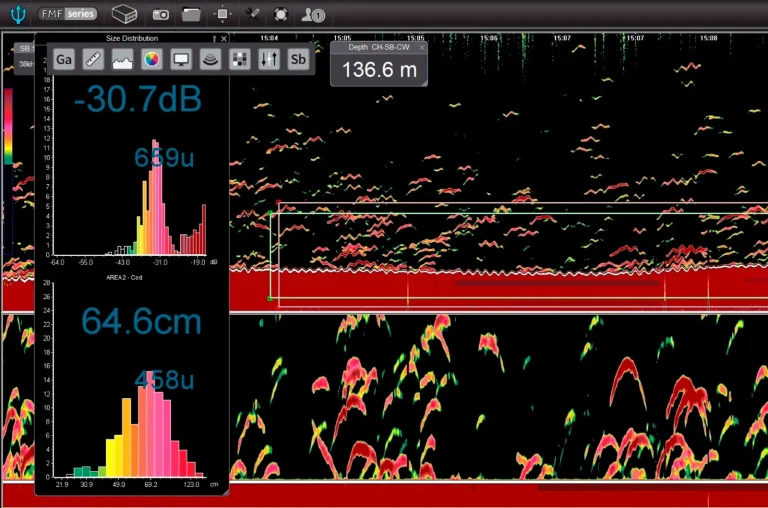
SPLIT BEAM echosounder technology can play a key role here, because it gives fishermen fairly accurate information on fish size before they are caught. In some cases, and with the help of the various instruments on board, fishermen may even get an idea of whether or not they are dealing with a commercial species. However, identifying species with a high degree of certainty by acoustic means remains a very difficult goal to achieve with commercial equipment.
By viewing and comparing marks at different frequencies, taking into account not only the shape but also the depth of the school, as well as other environmental factors (water temperature, time of year, salinity, etc.), combined with the information provided by SPLIT BEAM equipment, fishermen can better target their catches. It is not about what a single instrument can or cannot do, but about combining the information provided by all the available technology with the fisherman’s experience.
Reducing the impact of bycatch is key; that is where the solution to the discard problem lies. Other fisheries have achieved it, always through a multidimensional approach that necessarily includes adopting technology and improving fishing practices. The economic penalty of not being able to discard, and of selling under-quota catch at a low price, gives fishermen an incentive, but it does not solve the problem.
Training, technological assistance and financial support for fishermen are factors that will help, if not to solve, at least to soften the effects of a policy whose ultimate goal is to achieve sustainable fisheries in the long term.